Executors and pensions after April 2027: finding and valuing every pot
From 6 April 2027 an executor dealing with a UK estate has to account for the deceased's pensions as well as everything else. What that involves in practice: tracing the schemes, asking each one for a value, reporting, and the options for paying the tax the pensions carry.
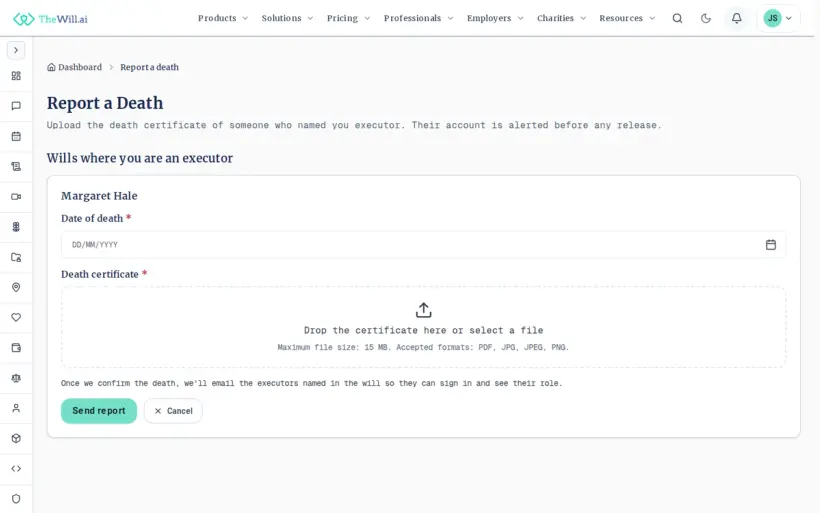
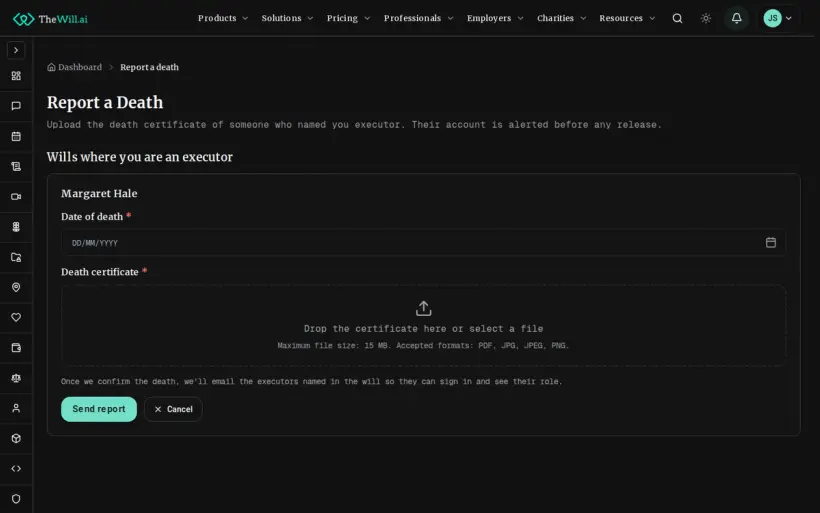
Until now, an executor could often leave the pensions to one side. The scheme administrator dealt with the death benefits, the money went to whoever the scheme decided to pay, and the executor's inheritance tax work stopped at the edge of the estate.
For deaths on or after 6 April 2027 that stops being true. Pension money left unspent at death now sits inside the inheritance tax calculation, and the work of accounting for it falls to the personal representatives: the executors named in a will, or the administrators appointed where there is no will. The mechanics below follow HMRC's technical note and are stated as at September 2026.
This is general information about how the process is designed to work, not legal or tax advice. Every estate is different, and many executors use a solicitor or other regulated adviser for exactly this part of the work.
How to find a deceased person's pensions
The new process assumes the executor knows which pensions exist. Nothing in it finds them.
That is harder than it sounds. A person who changed jobs a few times since the 1990s may have a workplace pension from each employer, a personal pension opened on the advice of someone long retired, and a drawdown account that was consolidated from two of the others. Scheme names change when providers merge. Letters go to old addresses. The deceased may have known roughly what they had without ever writing it down.
The usual sources an executor works through are the ones anyone would: annual statements and letters in the deceased's papers or email, bank statements showing contributions or pension income, P60s and payslips naming employers, and the employers themselves. Where a scheme is known but its current administrator is not, the government's free Pension Tracing Service (opens in a new tab) can supply contact details for a workplace or personal pension scheme. It does not say whether a pot exists or what it is worth; the executor still has to ask the scheme.
A pension that nobody finds is still part of the estate for inheritance tax. It is simply a pot that turns up later, after the figures were reported, and that means a corrective account to HMRC and possibly interest on tax paid late.
Asking each scheme for a value
Once a scheme is identified, the executor asks the scheme administrator for the information needed to include it in the inheritance tax account. Under the new rules the administrator has 28 days to respond, and may give an estimate where an exact figure is not yet available, setting out the value of the unused funds and death benefits and whether any of them are excluded or exempt.
Not every payment a scheme makes ends up taxed. Some benefits, such as death in service lump sums and scheme pensions paid to a dependant, are left out of the estate altogether; others are counted but exempt, such as a payment to a surviving spouse or civil partner or to a charity. The administrator's reply says which is which, so the executor is not classifying benefits alone, but the executor does need every scheme's answer before the estate's total is known.
That total matters for more than the tax on the pension itself. Inheritance tax is charged on the estate as a whole, so the value of the pensions affects how much of the nil-rate band is left for everything else, and a large pension can reduce the residence nil-rate band for estates over £2 million. An executor cannot work out any beneficiary's share of the tax until the last scheme has replied.
For a rough view of how the bands apply to an estate total that includes pension values, the inheritance tax calculator takes a figure you enter. It is an estimate, not an assessment, and it does not decide whether a pension benefit is excluded or exempt.
Reporting, and who pays
The executor reports the pensions alongside the rest of the estate and works out the inheritance tax due, including the share that relates to the pensions. Inheritance tax on an estate is generally due by the end of the sixth month after the month of death, with interest charged after that, which is one reason a fixed reply time for schemes was written into the rules.
Tax on the pension share is the liability of the personal representatives, and the beneficiaries who receive the benefits are jointly and severally liable for it with them, but the money to pay it usually sits in the scheme rather than in the estate. The rules give two ways of bridging that.
Withholding. The personal representatives can tell a scheme administrator to hold back up to half of the taxable benefits, for a period ending no later than 15 months after the end of the month of death, so that funds are not all paid out before the tax on them is settled. Benefits that are excluded or exempt are not caught by this.
Direct payment. A beneficiary can ask the scheme to pay the inheritance tax on their own benefits directly to HMRC out of those benefits. Where the notice asks for at least £1,000, the scheme administrator has to make the payment within 35 days of receiving it.
Neither option is compulsory, and which is used depends on the estate, the schemes and the beneficiaries. HMRC's technical note, and the detailed guidance HMRC publishes before the rules start, are the place to check how either works for a particular death.
When the pension is paid to someone else
The people who receive pension death benefits are often not the people who inherit under the will. Schemes pay according to their own rules, usually guided by the nomination the member filled in, and that nomination may be decades old.
The new rules do not change who receives the benefits. They change who has to account for them. An executor may therefore be reporting, and arranging tax on, money that will never pass through the estate and goes to someone the will does not mention. Where the member died after age 75, the recipient will also generally pay income tax on what they receive, calculated after the inheritance tax.
None of this is unusual in principle; lifetime gifts have always had to be reported by executors who never controlled them. It does mean the executor's first conversations may be with people outside the will, and that takes more time than a family expects.
What makes the job shorter
The single most useful thing an executor can be handed is a list: every scheme, the administrator's contact details, a member or policy reference, a recent value and its date, and who the nomination names. With that, the 28 day clock starts on the day of the first letter instead of after months of tracing.
That is the kind of record the asset tracker is built to hold. It keeps pensions and life cover alongside the rest of someone's assets: for a pension, the scheme contact, the member reference and when the nomination was last reviewed; for a life policy, the insurer and whether it is written in trust. The information is in one place rather than across a filing cabinet and an inbox. Statements and nomination forms can sit in the document vault, where people the owner has nominated can request access under the rules the owner sets.
For a fuller account of the rules themselves, what is in, what stays out and how the change interacts with the rest of inheritance tax, the guide to pensions and inheritance tax sets it out, and the general inheritance tax guide covers the bands and exemptions that apply to the whole estate.
Questions to take to a regulated adviser
This article can describe how the process is meant to work. How it applies to one estate is a question for a solicitor or other regulated adviser, and the questions worth taking to one include:
- Have we found every pension scheme, and what else should be searched before the estate is reported?
- Which of the benefits each scheme has reported are excluded, which are exempt and which are taxable?
- Would a withholding notice help this estate, and for how long would benefits be held back?
- Would a direct payment notice suit any of the beneficiaries?
- If a pension turns up after the account has been sent to HMRC, what does the corrective account involve?
Sources
Written by
TheWILL.ai Team
The editorial team at TheWILL.ai, dedicated to making estate planning accessible and modern.